.svg)


How to Design a Modern Kitchen with the Right Floor Tile Style?
ByBiren Agrawalla

Thu , Aug 06 , 2026

Read Time: 5 Min


 Copied!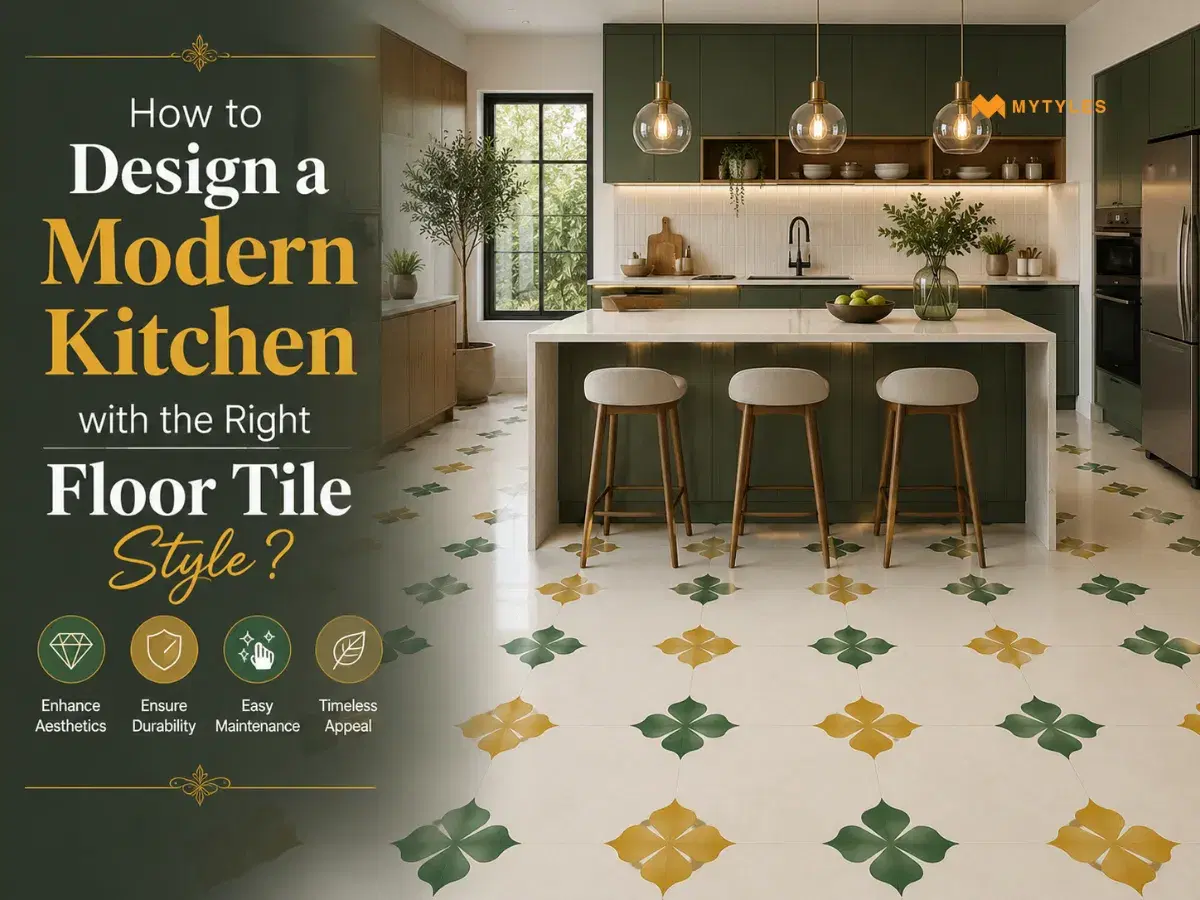
A modern kitchen runs on smart planning, clean surfaces, and materials that stay strong in daily use. Floor tiles play an important role here because they directly influence comfort, durability, and the visual flow of the room. A well-chosen tile keeps the kitchen looking organised, bright, and easy to manage even during busy routines. With the right texture, tone, finish, and pattern, tiles help build a layout that supports cooking, hosting, and everyday movement. Choosing the right floor tile style also shapes how the kitchen blends with the rest of the home. From matte finishes that hide stains to stone-look tiles that provide depth, each option carries a unique purpose. Understanding these choices makes it easier to create a modern kitchen that feels warm, clean, and thoughtfully designed from the ground up.
Why Do Floor Tiles Matter in a Modern Kitchen?
A modern kitchen demands materials that stay dependable, simple to clean, and visually balanced. Floor tiles handle constant foot traffic, spills, and moisture while shaping the overall look. With the right tile style, a kitchen remains organised, bright, and comfortable for long hours of use.
- Floor tiles support movement, absorb pressure from daily foot traffic, and stay stable even during constant activity.
- They manage spills, stains, and moisture easily, helping the kitchen remain clean throughout busy routines.
- Tile finishes protect against oil marks and scratches, keeping the kitchen floor looking fresh
- In compact homes, floor tiles help open up the space by maintaining a clear, tidy visual base.
- The right tile style connects the cabinets, countertop, and appliances, giving the kitchen a balanced and organised structure.
Choosing the Right Tile Material for Your Kitchen
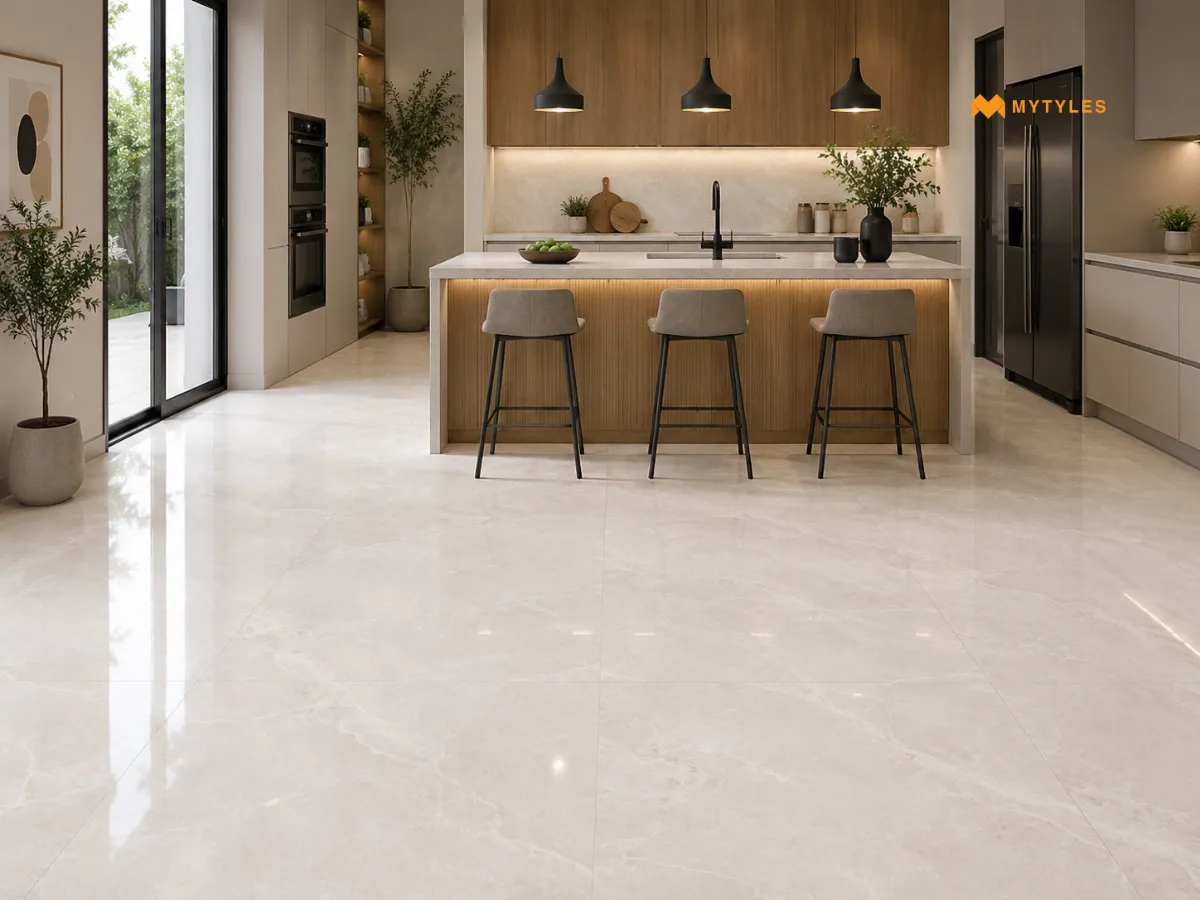
Material choice affects durability, stain resistance, slip control, and long-term upkeep. Each tile material behaves differently in a cooking-heavy space, so understanding how they perform helps you choose the right one for your kitchen’s needs.
Porcelain Tiles
Porcelain tiles suit active kitchens because they handle heavy movement, heat, and spills without losing strength. Their low porosity stops moisture from entering, which keeps stains and oil marks from settling. Families who cook often rely on porcelain for its consistency, long life, and easy upkeep. It provides a stable base that remains clean and steady even during busy routines.
Ceramic Tiles
Ceramic tiles offer wide design flexibility, making them suitable for modern and classic kitchens. Their surface stays simple to clean, which helps manage everyday spills and splashes. Patterns, textures, and colors adapt well to different layouts and cabinetry. Ceramic works best in kitchens with light to medium activity, giving homeowners a reliable and visually balanced flooring option.
Vitrified Tiles
Vitrified tiles stay strong and uniform, making them a dependable choice for modern kitchens. Their low water absorption prevents swelling or staining, even with constant use. Both matte and glossy options support different styles, from subtle to polished. These tiles keep their finish for years, resist scratches, and stay easy to maintain, which suits busy cooking environments.
Textured Anti-Skid Tiles
Textured anti-skid tiles provide added grip, making them ideal for areas near sinks, washing zones, and cooking sections. Their surface supports safe movement during spills and frequent cleaning. These tiles offer a practical option without reducing visual appeal, allowing the kitchen to stay both secure and attractive. They help maintain confidence and stability in households with active cooking routines.
Floor Tile Styles That Define a Modern Kitchen
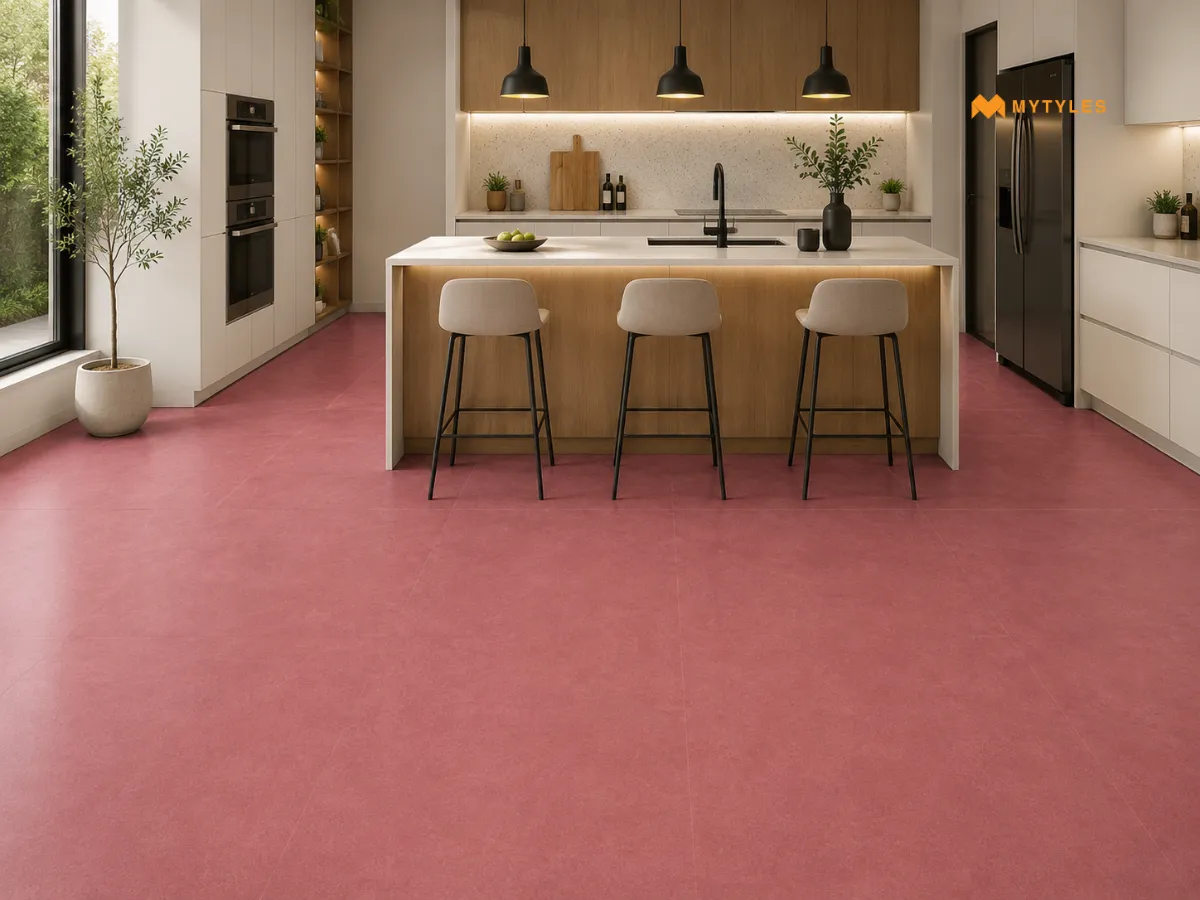
Different tile styles bring different strengths to a modern kitchen. Some create depth, others provide grip, and many help brighten the space. Choosing the right style shapes how the room feels, functions, and connects with your overall home design.
Matte Finish Tiles
Matte tiles work well for modern kitchens because they reduce glare and hide smudges. Their slip-resistant surface supports safe movement, especially in busy households. They pair well with soft tones, wood finishes, and minimal layouts.
Glossy Finish Tiles
Glossy tiles reflect light and help brighten compact kitchens. They suit homes with limited natural light. These tiles create a clean, smooth surface that pairs well with sleek cabinets and modern appliances.
Stone-Look Tiles
Stone-look tiles bring depth and texture without the upkeep of natural stone. They suit industrial, rustic-modern, and minimalist kitchens. These tiles stay steady under heat and moisture, making them ideal for Indian cooking conditions.
Wood-Look Tiles
Wood-look tiles offer the warmth of wood with the strength of ceramic or vitrified materials. They work well in open kitchens connected to dining or living areas. Their patterns help create continuity without worrying about water damage.
Large-Format Tiles
Large-format tiles help reduce grout lines, creating a spacious look. They make the kitchen feel open and tidy. These tiles suit contemporary layouts where simplicity and clean visuals matter.
Color Palettes That Shape a Modern Kitchen Floor
Floor tile colors influence how the kitchen feels during both day and night. Light shades open the space, deeper tones add structure, and neutrals help balance bold cabinetry. Choosing the right palette ties the room together confidently.
- Soft Greys: Soft grey tiles create a calm, uniform base. They pair well with black, white, or wood cabinets. These tones suit minimalist and industrial-inspired kitchens.
- Warm Beige and Sand Shades: Beige and sand color tile bring warmth while staying subtle. They help brighten the kitchen gently and pair well with natural wood accents.
- Charcoal and Deep Neutrals: Charcoal tones help anchor the kitchen. They work well with white, pastel, or metal-finish cabinets. These shades feel modern and structured.
- Ivory and Off-White Tones: Ivory floors help open up compact kitchens. They reflect natural and artificial light well, creating a clean and welcoming atmosphere.
- Two-Tone Tile Patterns: Two-tone tile combinations help define zones, guide movement, and add interest without overwhelming the space. They suit open kitchens connected to dining areas.
Tile Patterns That Complement a Modern Kitchen Layout
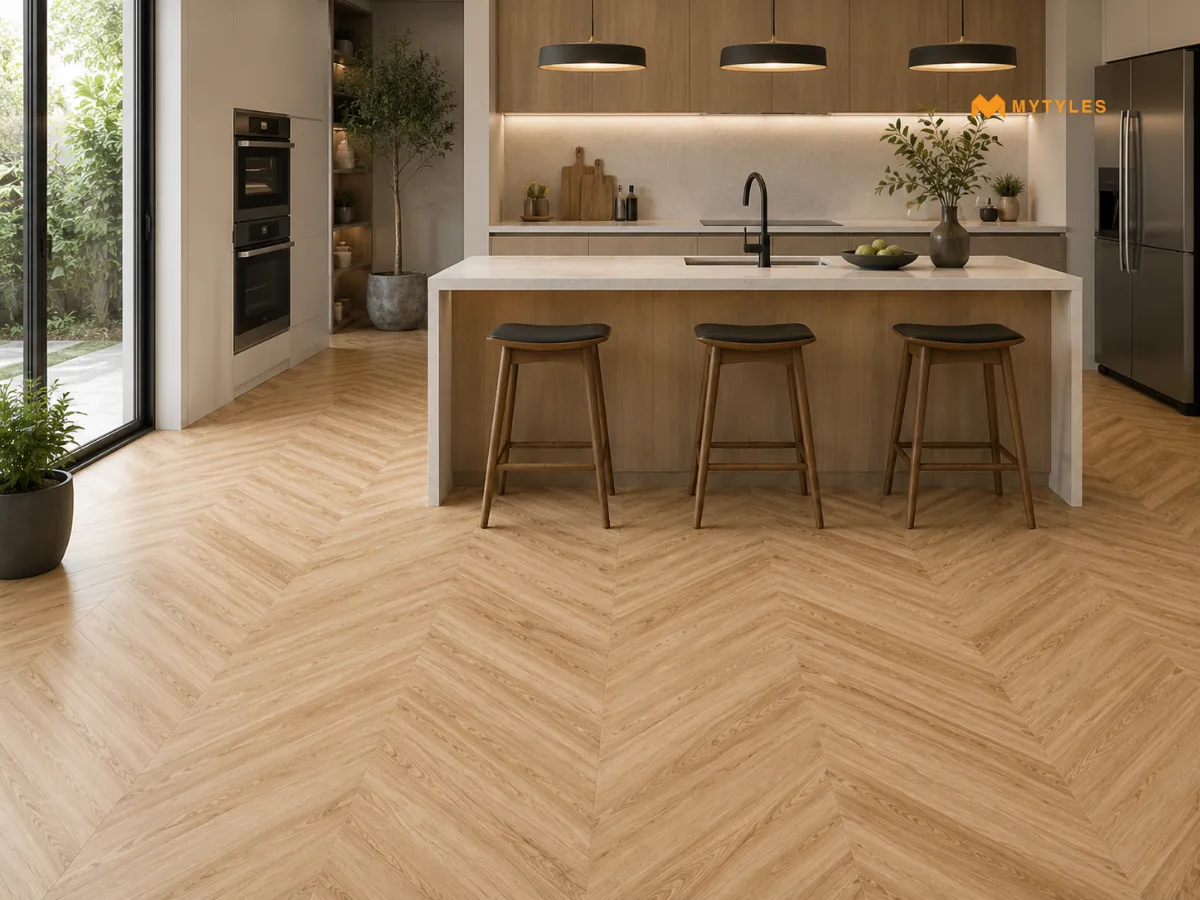
Patterns add movement, direction, and subtle character to the kitchen floor. Choosing the right layout makes the room feel organised and visually steady while supporting the overall design theme.
- Straight Lay Pattern: Straight-lay tiles keep the kitchen clean and structured. They suit modern homes where simplicity and clarity matter.
- Herringbone Pattern: Herringbone adds gentle movement to the floor. It works well with narrow kitchens or long galley layouts.
- Grid Pattern with Thin Grout Lines: Thin grout lines offer a fresh, tidy look. They suit large-format tiles and open kitchens where flow is important.
- Offset Pattern: Offset tiles create subtle variation without appearing busy. They work well with stone-look and wood-look tiles.
- Diagonal Pattern: Diagonal placement helps widen compact kitchens visually. It suits homes that want movement without bold colors.
Practical Considerations Before Final Tile Selection
Design alone isn’t enough. Good kitchen planning includes safety, longevity, maintenance, and comfort. Keeping these points in mind helps you invest in a floor that remains reliable and visually organised for years.
- Slip Resistance: Choose matte or anti-skid tiles for areas near the sink and cooking zone.
- Maintenance Needs: Tiles with low porosity are easier to clean, especially in active kitchens.
- Foot Comfort: Select tiles with medium hardness for long hours of cooking.
- Heat Resistance: Porcelain and vitrified tiles work well for kitchens that use high-heat cooking methods.
- Stain Control: Lightly textured or matte tiles hide minor marks better than glossy tiles.
Bringing Modern Kitchen Design and Tile Style Together
The right floor tile determines how comfortable, organised, and visually steady your modern kitchen feels every day. Materials like porcelain, ceramic, vitrified, and stone-look options stay strong under heat, spills, and heavy use. Soft greys, beige tones, ivory, and charcoal shades help balance cabinets and countertops, allowing the kitchen to feel open and clean. Whether you prefer matte, glossy, stone-look, or wood-look tiles, each style supports the room differently. With thoughtful choices, your kitchen gains clarity, warmth, and long-term ease of maintenance. Explore a wide range of modern kitchen floor tiles at MyTyles to find options that suit your layout, décor choices, and cooking habits.

Which Floor Tile Styles Suit a Modern Kitchen?

Modern kitchens work well with marble-look, concrete-look, stone-look, terrazzo, wooden, and plain large-format tiles. Choose a design that complements the cabinetry, countertop, backsplash, and appliances instead of treating the floor separately. Clean patterns and restrained color variation usually create a more contemporary appearance, while subtle texture adds depth without making the kitchen feel visually busy.
Which Tile Material Is Most Practical for Kitchen Floors?
Porcelain and vitrified tiles are practical choices because they offer durability, low water absorption, stain resistance, and relatively simple maintenance. Floor-rated ceramic tiles may also suit lighter-use kitchens when specified by the manufacturer. Compare technical performance, surface finish, and installation needs carefully, as tiles selected only for appearance may not withstand frequent spills, furniture loads, or heavy foot traffic.
What Kitchen Floor Tile Colors Create a Modern Look?
Neutral colors such as ivory, beige, greige, grey, charcoal, and soft stone tones create a clean modern base. Lighter shades can open compact kitchens, while darker tiles add contrast in larger, well-lit rooms. Match warm cabinets with beige or wood tones and cooler cabinets with grey shades, but always test samples under actual kitchen lighting.
What Tile Size and Layout Work Best in Modern Kitchens?
Large-format tiles reduce grout lines and create a seamless appearance, making them suitable for modern medium-sized or spacious kitchens. Rectangular tiles laid lengthwise can visually extend narrow layouts, while straight grid patterns support a clean architectural look. Select a size that minimizes awkward cuts around cabinets, islands, corners, and doorways, and approve the layout before installation.
How Should Kitchen Floor Tiles Coordinate With an Open Layout?
In an open kitchen connected to the dining or living room, flooring should support visual continuity between spaces. Use the same tile throughout or select coordinating designs with similar undertones, formats, and grout colors. If changing tiles, place the transition at a clear architectural line, such as an island edge or doorway, rather than creating an abrupt break.
Are Anti-Skid Tiles Important for Modern Kitchen Floors?
Yes, slip resistance remains essential even when creating a sleek modern kitchen. Water, oil, and food spills can make smooth floors unsafe, so choose tiles with suitable grip and tested floor ratings. A matt or lightly textured finish often balances safety with easy cleaning. Prompt spill removal, flat installation, and clear walking paths provide additional protection.
What Should Homeowners Check Before Buying Kitchen Floor Tiles?
Check the tile material, dimensions, thickness, water absorption, slip resistance, stain resistance, abrasion rating, color variation, and cleaning requirements. View several samples beside the cabinets and countertop before deciding. Measure the floor accurately, buy extra tiles for cuts and future repairs, confirm the batch number, and appoint an experienced installer for proper alignment and joint spacing.

ABOUT THE AUTHOR
Biren Agrawalla
Biren Agrawalla is the Founder of MyTyles, driven by a passion for making tile buying simpler, smarter, and more customer-friendly. With a background in technology and a strong interest in how homes are designed, he built MyTyles to bridge the gap between traditional tile retail and modern customer needs. Biren focuses on understanding what people truly look for when creating their spaces, from practical choices to design inspiration. His work is centred on building thoughtful online solutions that help homeowners discover the right tiles with more confidence, convenience, and clarity.