.svg)


Zellige Kitchen Tiles: The Handcrafted Trend Indians Are Loving
ByNabiya Naqvi

Tue , Sep 08 , 2026

Read Time: 5 Min


 Copied!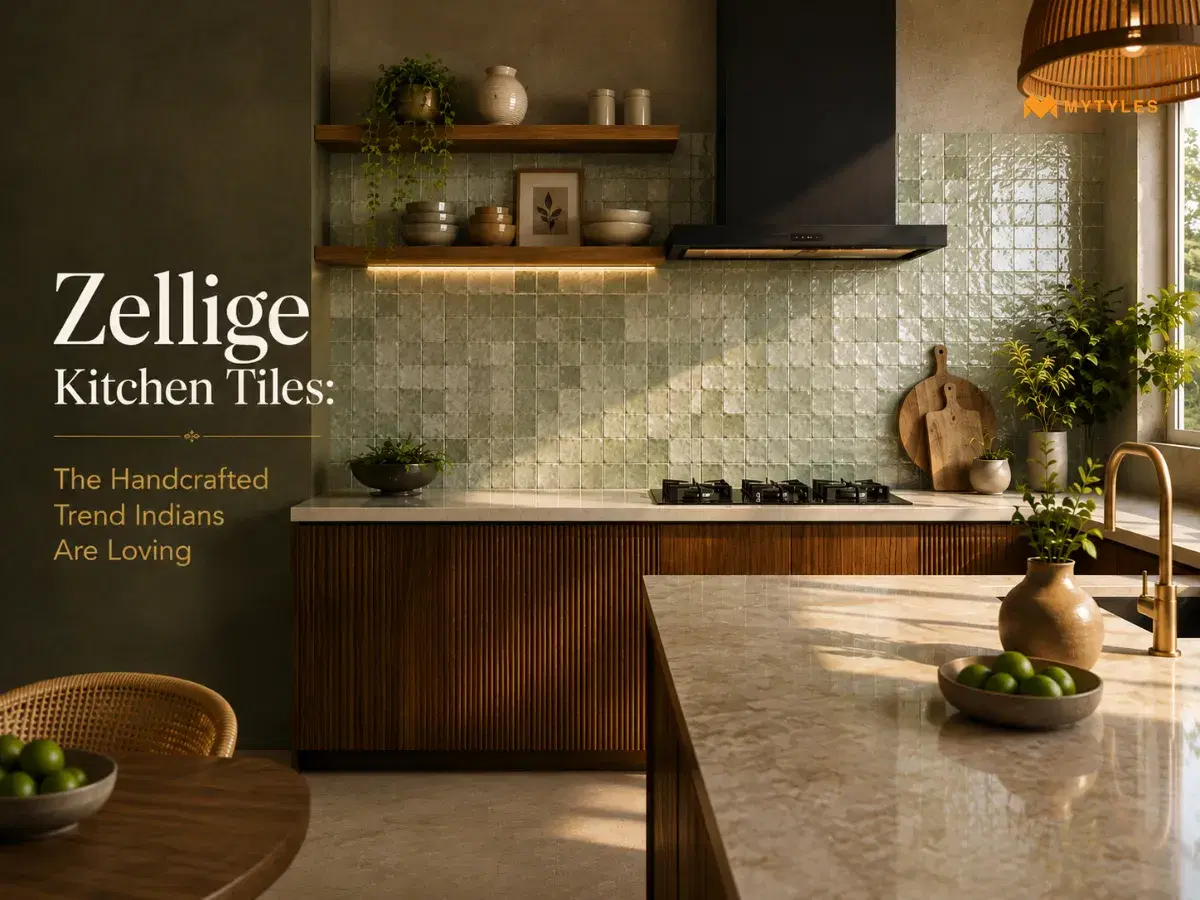
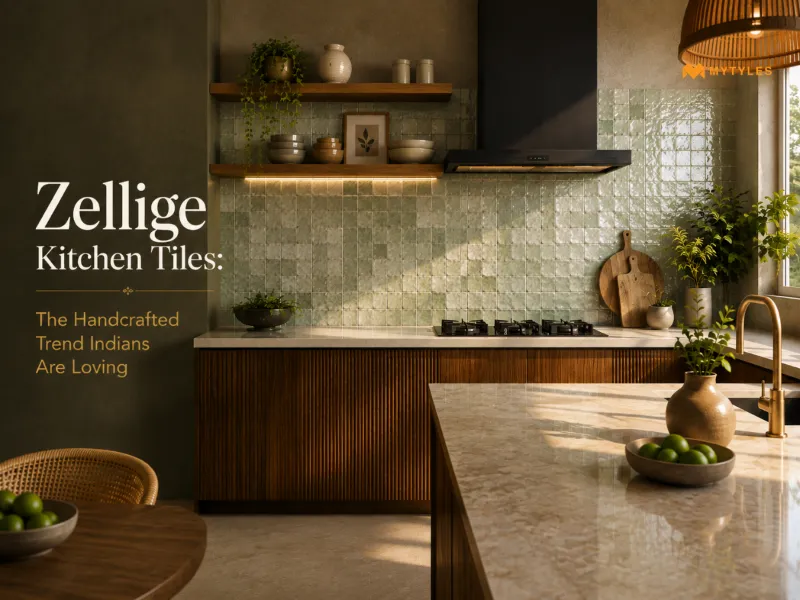
While you explore tile designs for your kitchen, you may have come across the newest rave, Zellige kitchen tiles. These Moroccan-origin tiles have adorned kitchen walls and backsplashes for centuries. There are options from plain white tiles to bold patterns and textured surfaces. Zellige handcrafted tiles have a unique texture and have evolved, with varying shapes and colors. They add a customised appeal to kitchen backsplashes, thanks to their glazed finish. The color variation at different light intensities is their most peculiar feature.
Now, let’s dive deep into the Zellige tiles and the reason behind their growing popularity among Indian homeowners.
What Are Zellige Tiles?
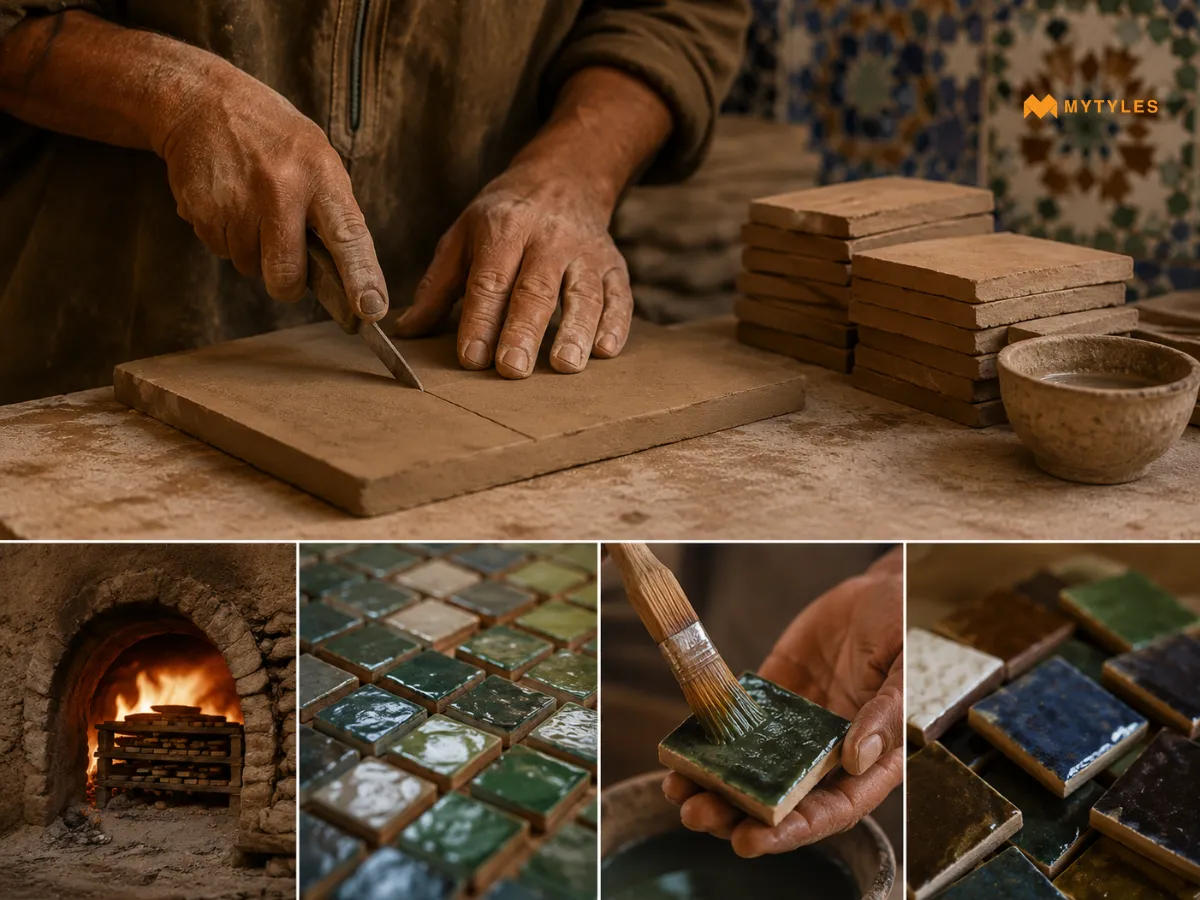
Zellige tiles come from Morocco. They have been made there for centuries, and the process has not changed much. Each tile is cut by hand from slabs of naturally occurring clay, fired in traditional kilns, and finished with a glaze that is applied manually. No two tiles come out looking the same.
The irregularity is intentional. The uneven glazed surface catches light differently across each piece. The edges are not perfectly straight. In a world full of machine-made tiles that look identical from one end of the box to the other, zellige stands completely apart.
The thickness varies slightly, the colour shifts within a single tile, and the overall finish has a depth that flat, uniform tiles simply cannot match. That handmade quality is what people are paying for and what makes zellige worth every bit of the attention it is getting.
Why Indian Homeowners Are Choosing Zellige Tiles
Indian homes have always had a relationship with craft. The love for hand-painted walls and handmade pottery is always there. That is the reason these artisanal kitchen tiles fit well into Indian homes. But there are also more practical reasons. Indian kitchens are compact; a zellige backsplash on a single wall does more for the space than an entire room renovation. The reflective glaze bounces light around, making the kitchen feel brighter and more open without changing a single structural element.
The color range includes deep blues, warm terracottas, olive greens, and rich ochres, all of which sit naturally alongside the warm tones that most Indian homes already carry in their wood, stone, and fabric choices.
Best Ways To Use Zellige Tiles In The Kitchen
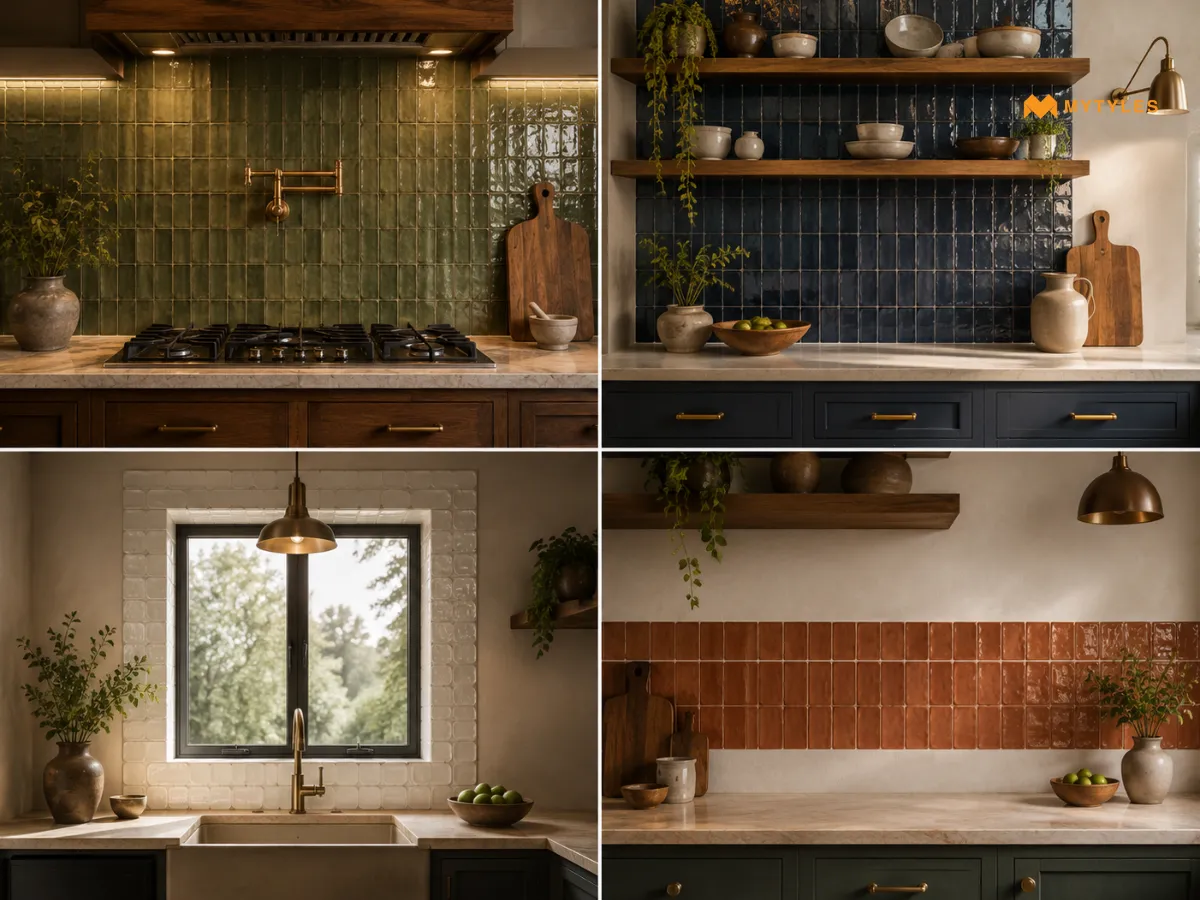
Wherever Zellige tiles are used, they give personality to the kitchen. They can be used on a backsplash, as an accent wall, or just as a border. Let’s discuss the best uses of Zellige kitchen tiles in detail:
- Backsplash: Zellige backsplash tiles are the most common application, and for good reason. The area behind the cooking range is where the kitchen needs the most visual interest. A full zellige kitchen backsplash tile draws the eye immediately and anchors the whole space.
- Accent Wall: These reflective kitchen wall tiles accent the area behind open shelves or along one side of the kitchen, giving the same impact with less tile and less cost.
- Around The Kitchen Window: Framing a kitchen window with zellige adds a detail that most people notice. The glossy kitchen wall tiles make the space look so good. It is a small touch that carries a lot of weight visually.
- As A Border: Running a horizontal band of Zellige tiles between plain wall sections gives the kitchen a layered look without committing to a full wall. It works especially well when the rest of the kitchen is kept neutral and minimal.
Popular Zellige Tile Colors For Indian Kitchens
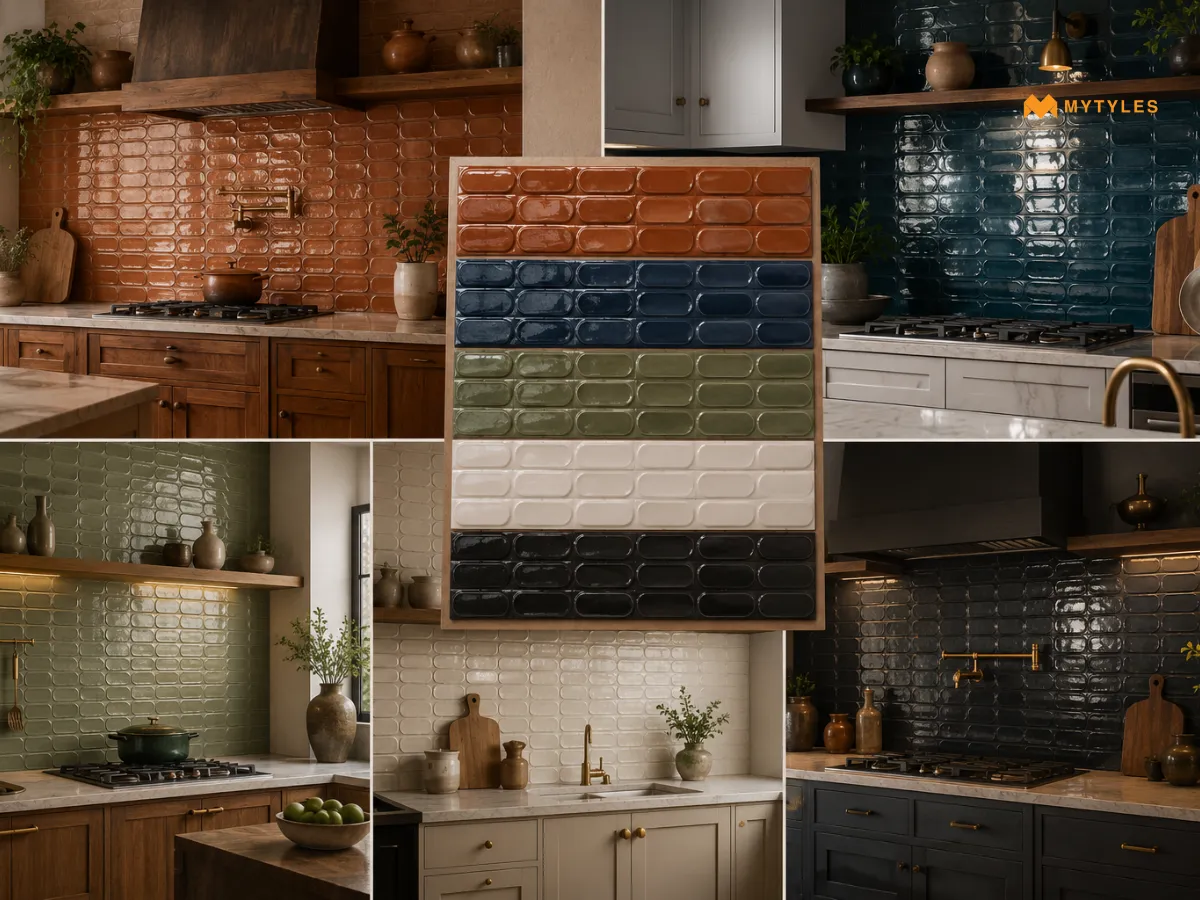
Zellige tiles are known for their vivid color scheme. These tiles offer many color tone options.
- Terracotta And Rust: The warm colors are a natural fit for Indian kitchens. The wooden cabinets, stone countertops, and brass or copper hardware complement the vintage feel of these tiles.
- Deep Blue And Teal: Deep blue tiles against white or off-white cabinets are a classic zellige combination. Teal works similarly but brings a slightly more contemporary edge.
- Sage And Olive Green: Green Zellige tiles have a strong run in interior design. Zellige in sage or olive tones fits that trend without chasing it. These premium kitchen tiles work particularly well in kitchens that get good natural light.
- White And Off-White: The white Zellige tiles show variation in colors, such as cream, ivory, and bright white, depending on where the light hits, and the result is far more interesting than any painted or white ceramic surface.
- Charcoal And Midnight Black: For kitchens that lean towards bold, dark interiors, charcoal or black zellige creates a dramatic backdrop that still feels warm because of the handmade texture. It works especially well with gold or brass fixtures.
Things to Know Before Installing Zellige Tiles
The unique appearance and handcrafted details of Zellige tiles are unmatched. Before installing these tiles in your kitchen, there are a few things that you should keep in mind:
- The Variation Is Not a Defect: Sometimes, when a buyer purchases Zellige tiles for the first time, they may be worried about the color variations, thickness, and glaze quality of the tiles. That variation is intentional and is what gives zellige its distinctive look.
- Installation Expert: These imperfect-finish tiles require more skill and patience than standard ceramic or vitrified tiles. A regular tiler can do it, but someone who has worked with Zellige before will get a much better result.
- Grout Color Makes a Big Difference: The grout lines in a Zellige tile installation are more visible than in standard tiling because of the uneven edges. A grout color that complements the tile rather than contrasting sharply with it tends to give a more cohesive, finished look.
- Sealing Is Important: Zellige tiles are porous. In a kitchen environment where oil, water, and steam are constant, sealing may be required. A proper sealant keeps the glaze protected and makes cleaning far easier over the long run.
- Budget for Some Extra Tiles: Because the tiles are handmade and cut individually, breakage during installation is slightly higher than with factory-made tiles. Ordering around ten to fifteen per cent extra ensures you do not run short mid-installation.
Give a Character to Your Kitchen with Zellige Kitchen Tiles
Zellige tiles are not a passing trend. They have centuries of craft behind them, and that shows in every surface they touch. The slight variation, the handmade glaze, the way light moves across the wall differently through the day. Indian kitchens have always had personality. Zellige simply gives that personality a surface to live on.
Whether you are planning a full renovation or just want to change one wall, the right tile makes a bigger difference than most people expect. Explore the full range of Zellige kitchen tiles at MyTyles and find the color, finish, and size that work for your space. You can even visit the MyTyles experience centre in Bengaluru to see the collection in person.

Why Are Zellige Kitchen Tiles Becoming Popular in Indian Homes?

Zellige tiles offer a handcrafted tile texture look that factory-made tiles simply cannot replicate. The glossy surface reflects light well across the kitchen. The natural variation in color and texture adds a warmth that suits Indian interiors quite naturally, making them a popular choice among homeowners renovating their kitchens today.
Are Zellige Tiles Suitable for Kitchen Backsplashes?
Yes, Zellige backsplash tiles handle heat and moisture well, making them a practical choice for kitchen backsplashes. Beyond function, they create a strong visual focal point that lifts the entire kitchen. The handcrafted glaze and color depth make even a small backsplash section look considered, layered, and far from ordinary.
Why Do Zellige Tiles Have Uneven Surfaces and Color Variations?
Each tile is made and glazed entirely by hand. No two pieces come out identical. The differences in shade, texture, and thickness are a direct result of the handmaking process. These variations are not quality issues. They are what give Zellige its distinctive character and natural, artisanal appeal.
Are Zellige Tiles Difficult to Clean and Maintain?
Zellige tiles are easy-to-clean wall tiles. A soft cloth and mild soap handle most everyday cleaning without any trouble. Abrasive cleaners should be avoided as they dull the glaze over time. Grout lines may need occasional attention, especially in kitchens with heavy daily cooking, where oil and moisture build up more frequently.
Do Zellige Tiles Stain Easily in Kitchens?
The glazed surface of Zellige tiles for the kitchen resists most everyday stains reasonably well. Oil splatters, coffee, and acidic spills should be wiped off promptly rather than left to sit. Prolonged contact with certain liquids can affect the glaze finish over time. Regular wiping after cooking keeps the surface looking clean and well-maintained.
Do Zellige Tiles Require Professional Installation?
Professional installation is strongly recommended for Zellige tiles. Each tile varies slightly in size, thickness, and shape due to the hand-made process. Laying them evenly requires more skill and patience than standard tiling work. An experienced installer handles that variation far better and delivers a cleaner, more balanced finished result.
What Is the Zellige Tile Price in India?
The Zellige tile price in India varies based on design, finish, size, and craftsmanship. Handmade and premium collections typically cost more due to their distinctive texture and artisanal appeal. At MyTyles, you can explore zellige-inspired tile options across different price points to find a style that matches your vision and budget.

ABOUT THE AUTHOR
Nabiya Naqvi
Nabiya Naqvi is a content writer with a postgraduate background in chemical sciences and a strong passion for creative expression. Her journey into writing began with a love for storytelling and gradually grew into a professional path focused on interiors, home decor, and design-led content. With a keen interest in beautiful living spaces, Nabiya enjoys simplifying design ideas and making them relatable for everyday readers. Through her writing, she blends creativity, research, and an eye for detail to help homeowners understand how tiles, textures, and thoughtful material choices can transform a space.