.svg)


6 Epoxy Grout Colour Ideas That Can Influence the Look of Your Tiles
ByNandana Priya

Thu , Sep 17 , 2026

Read Time: 5 Min


 Copied!
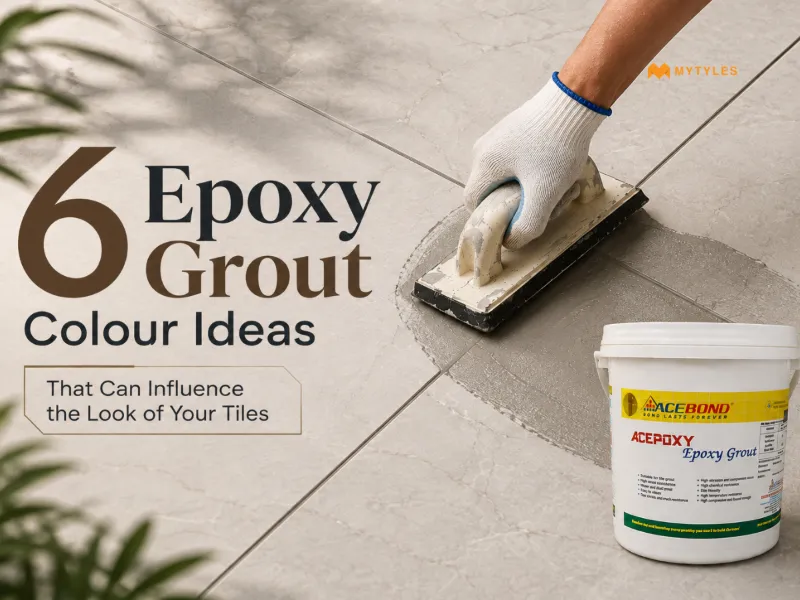
Grout is usually the last thing anyone thinks about while picking tiles. Most of the attention goes to the design, the finish, and the pattern. But the joint lines running through your floor or wall carry more weight than they get credit for. Grout fills the joint between the tiles and quietly shapes how the whole surface reads.
Epoxy grout for tiles is a resin-based grout that typically uses an epoxy resin and hardener as part of its formulation. Once set, it tends to become denser and less porous, which generally makes the epoxy grout more resistant to staining and moisture.
Epoxy grout comes in several colours, and the shade you choose can influence the look of your tiles. Ahead, we look at six epoxy grout colour ideas and the different looks they can create with tiles.
Epoxy Grout Colour Comparison at a Glance
Before the detailed breakdown, here is a quick reference for how each epoxy grout colour may look, and the tile types it commonly pairs with.
Grout colour | Tiles it tends to complement |
| White | White, pastel, light-coloured, and marble-look tiles |
| Ivory | Cream, beige, travertine-look, and marble-look tiles |
| Light grey | White, grey, concrete-look, and large-format tiles |
| Charcoal or black | Subway, hexagonal, mosaic, and patterned tiles |
| Beige | Terracotta, warm stone-look, and wood-look tiles |
| Blue, green, or gold | Plain white, black or charcoal, and mosaic-format tiles |
White Epoxy Grout for a Bright, Minimal Look
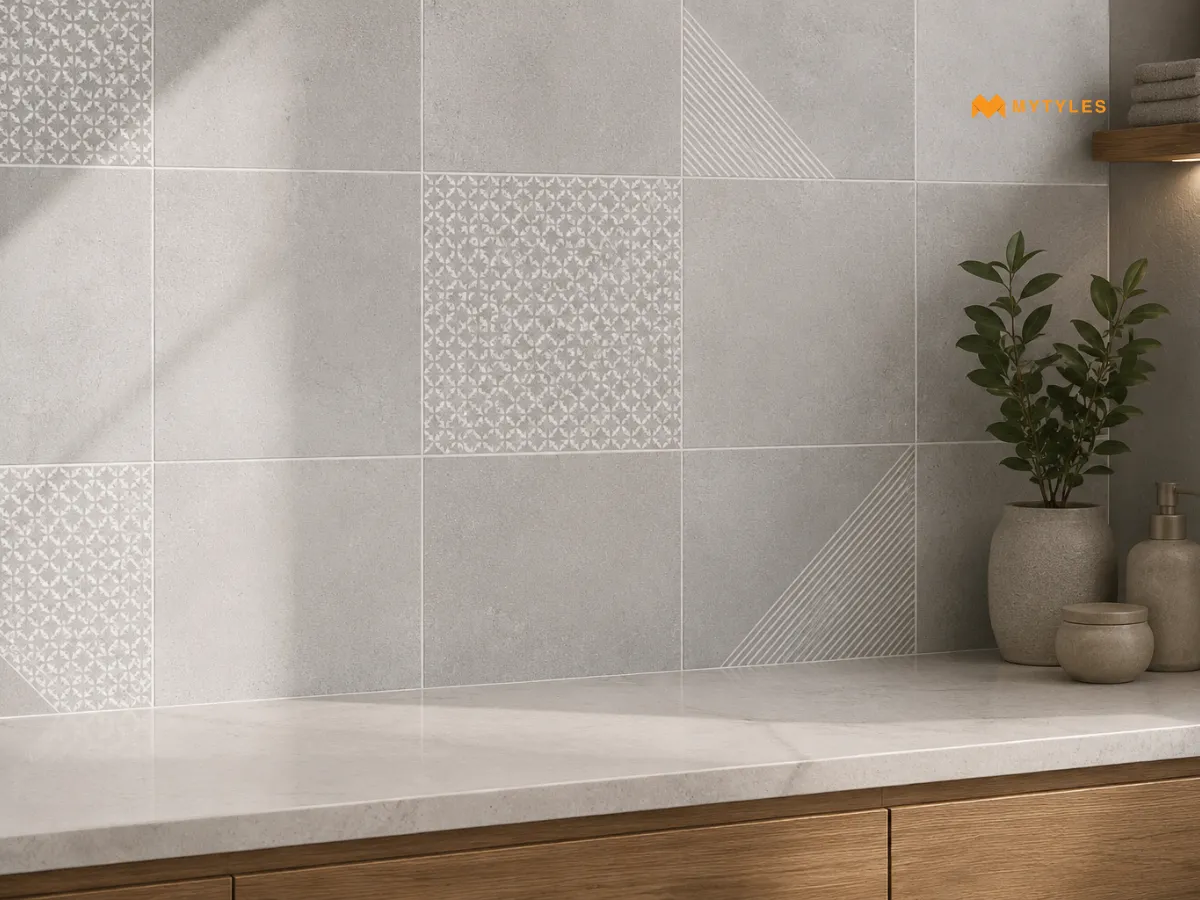
White epoxy grout paired with white or pastel tiles can create a clean, almost monochrome look, since the joint lines fade into the surface instead of standing out. With light-coloured tiles, white grout keeps the contrast between the tile and joint relatively low, creating a lighter and more uniform-looking surface.
Used against darker tiles, white grout flips the effect entirely and turns the joints into a visible outline instead. Lighter shades may make dirt, residue, or surface marks more noticeable, so think through the expected use, cleaning routine, and product specifications before choosing white epoxy grout.
Ivory Epoxy Grout for a Warm, Softer Finish
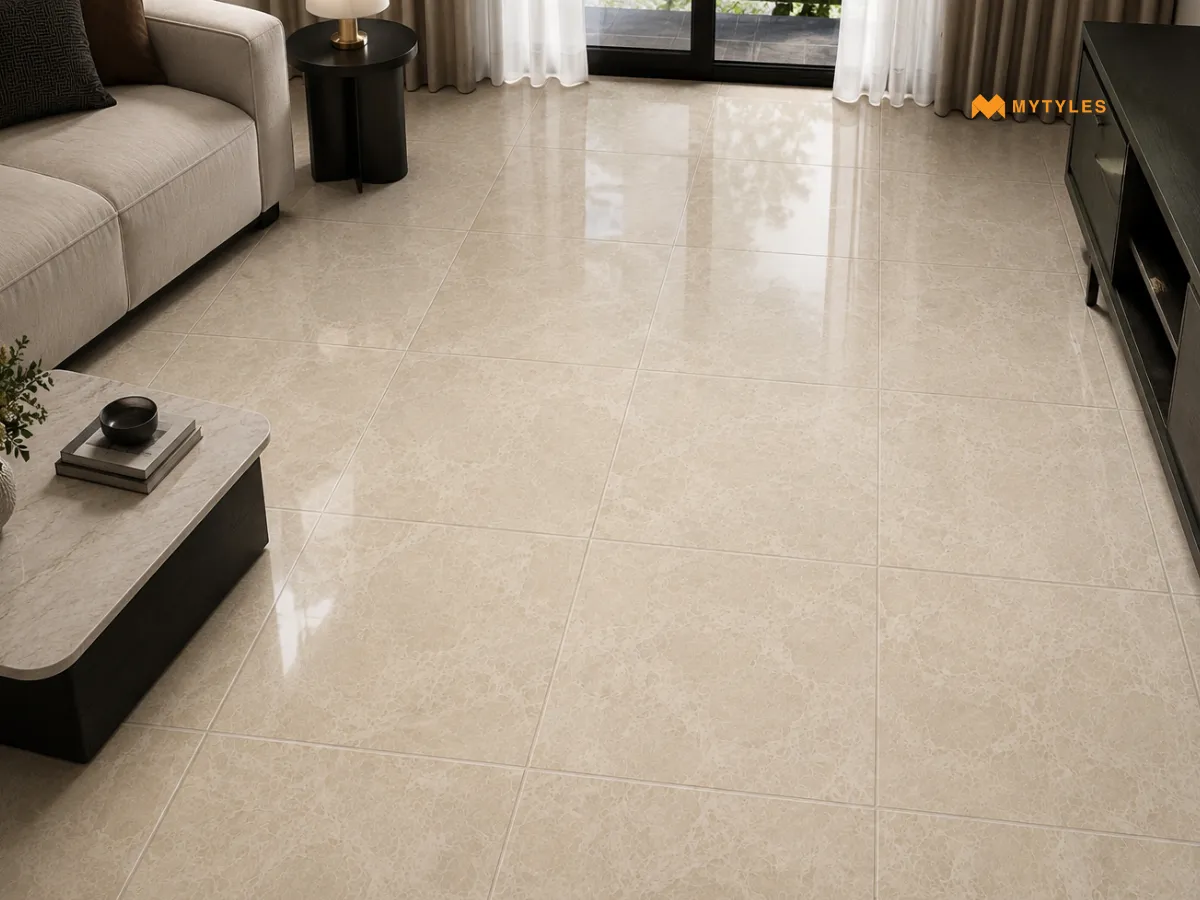
Ivory epoxy grout is a gentler option for tiles that lean warm, such as cream, beige, or marble-look finishes. Compared with bright white grout, it has a warmer appearance.
Against travertine-look or lightly veined tiles, ivory grout can blend closely enough to keep the layout looking continuous and calm. As with any shade of grout, check maintenance expectations before finalising it for a high-use area.
Light Grey Epoxy Grout for Subtle Tile Definition
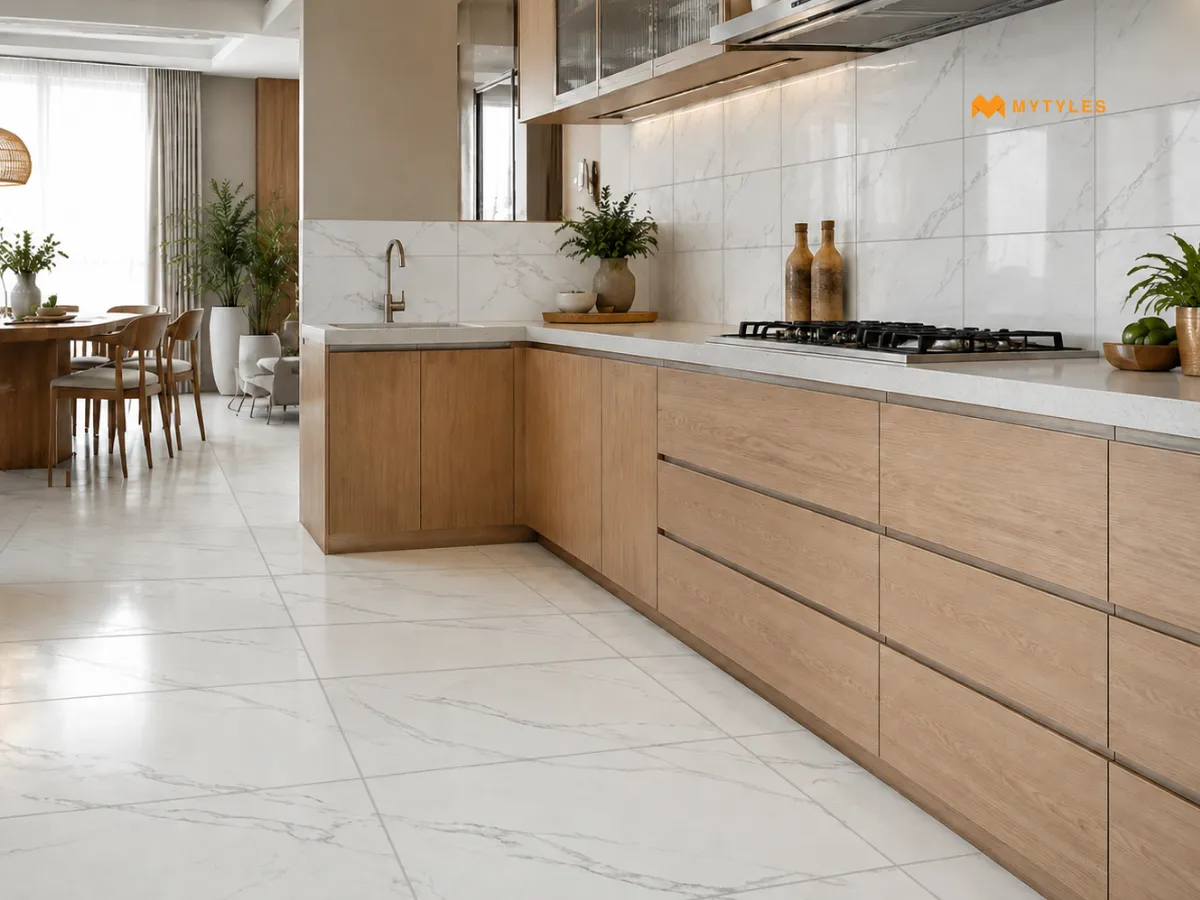
Not every tile joint needs to disappear, and not every joint needs to be bold either. Light grey epoxy grout sits right in the middle. It gives white, grey, and concrete-look tiles just enough of an outline to notice without turning the whole floor into a checkerboard.
Grey grout can be used on kitchen floors and backsplashes and in open-plan homes built around a calm, neutral palette. Check suitability for high-use or high-moisture areas against the specific product before deciding.
Charcoal or Black Epoxy Grout for a Bold, Graphic Effect
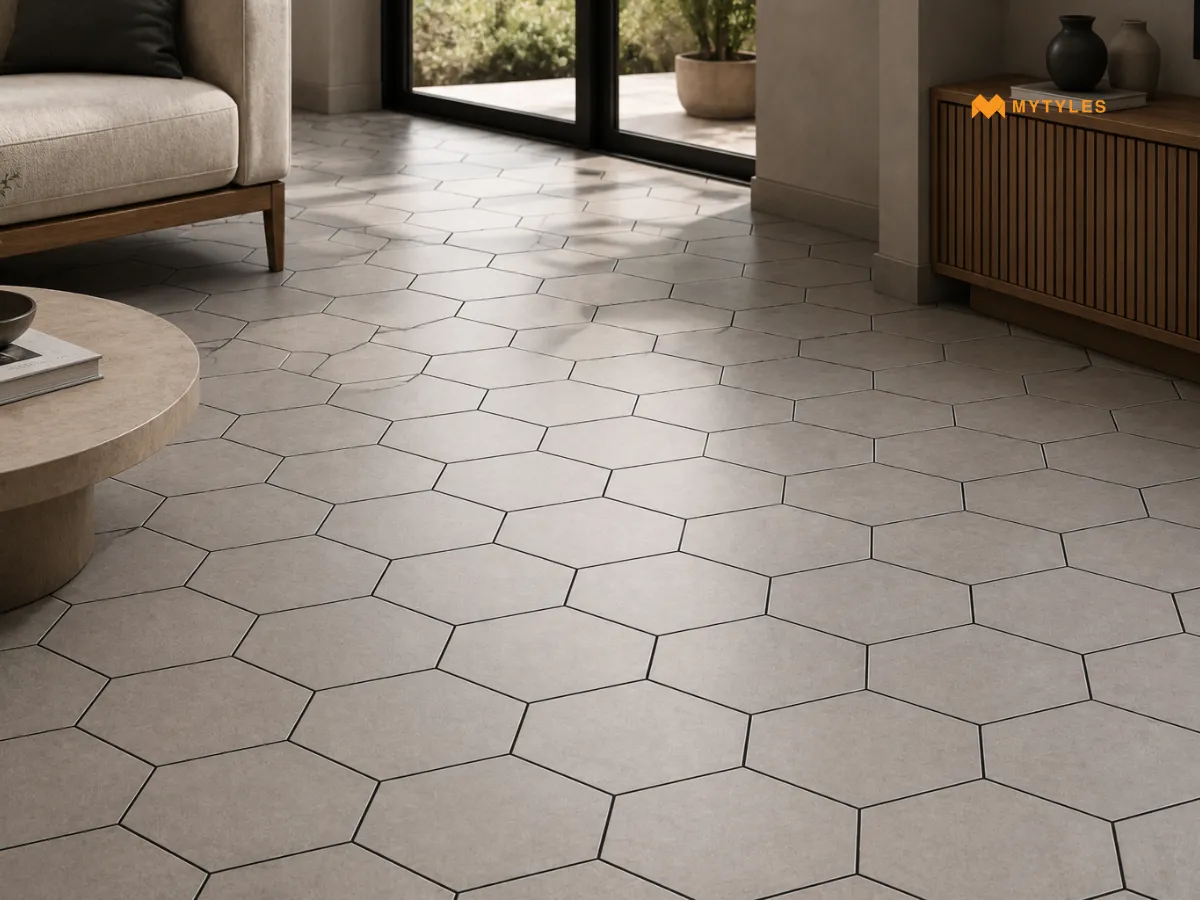
Charcoal or black epoxy grout against white or light-coloured tiles creates a strong, defined look. Here, every joint line becomes part of the visual pattern. It can suit subway, hexagonal, mosaic, and other geometric layouts such as herringbone or chequerboard, where the grid itself is meant to stand out. Suitability can vary by product and should be checked before deciding.
One point worth considering is that black or charcoal grout paired with dark tiles can make a smaller space feel more enclosed. It can work in rooms with enough natural light and open space to let the contrast come through.
Beige Epoxy Grout for an Earthy, Warm Look
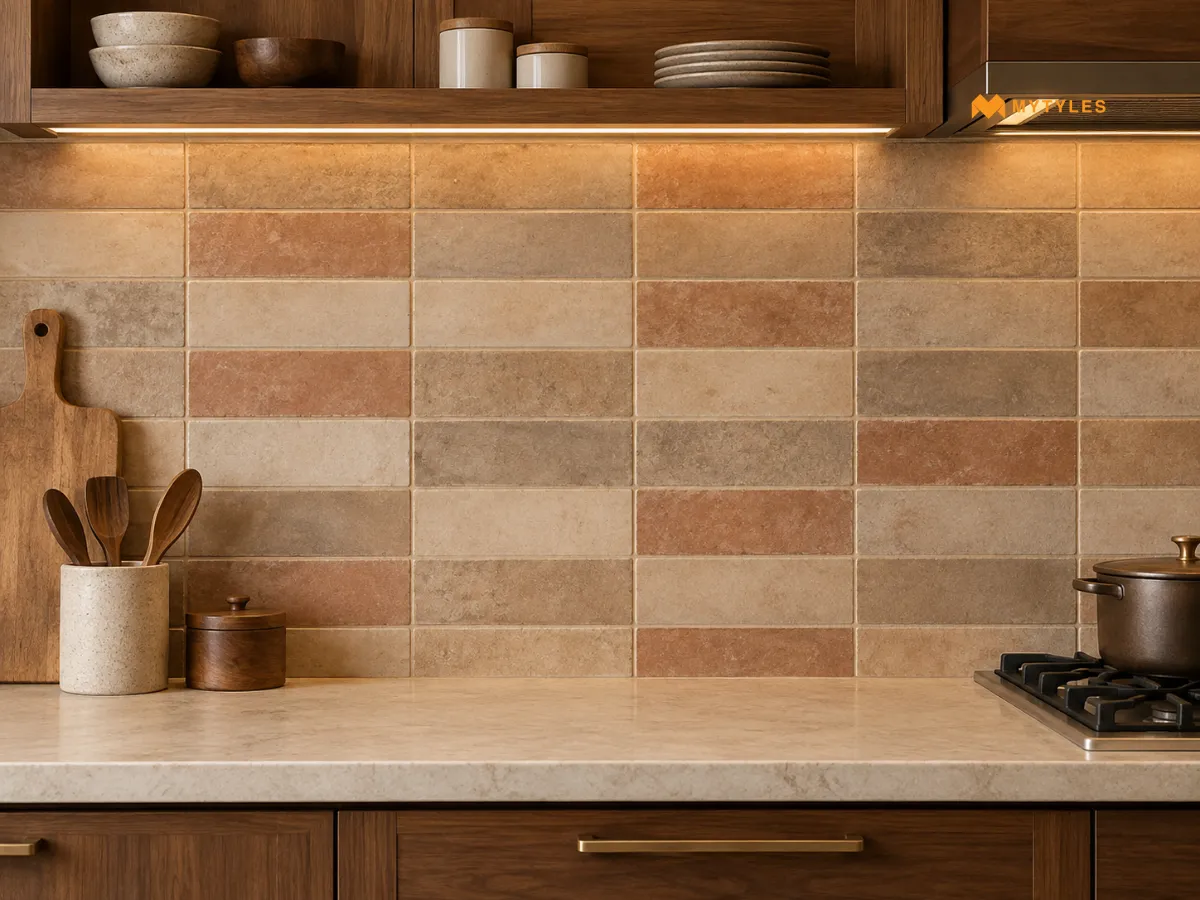
Beige epoxy grout often sits a shade deeper than ivory, closer to tan or sand. It suits tiles that already lean earthy, terracotta, warm stone-look, or wood-look.
Paired with beige or taupe tiles, the surface can end up looking unified, without the joints pulling focus. This shade shows up a lot in rustic or traditionally styled spaces, where the goal is warmth rather than contrast.
Blue, Green, or Gold Epoxy Grout for a Decorative Accent
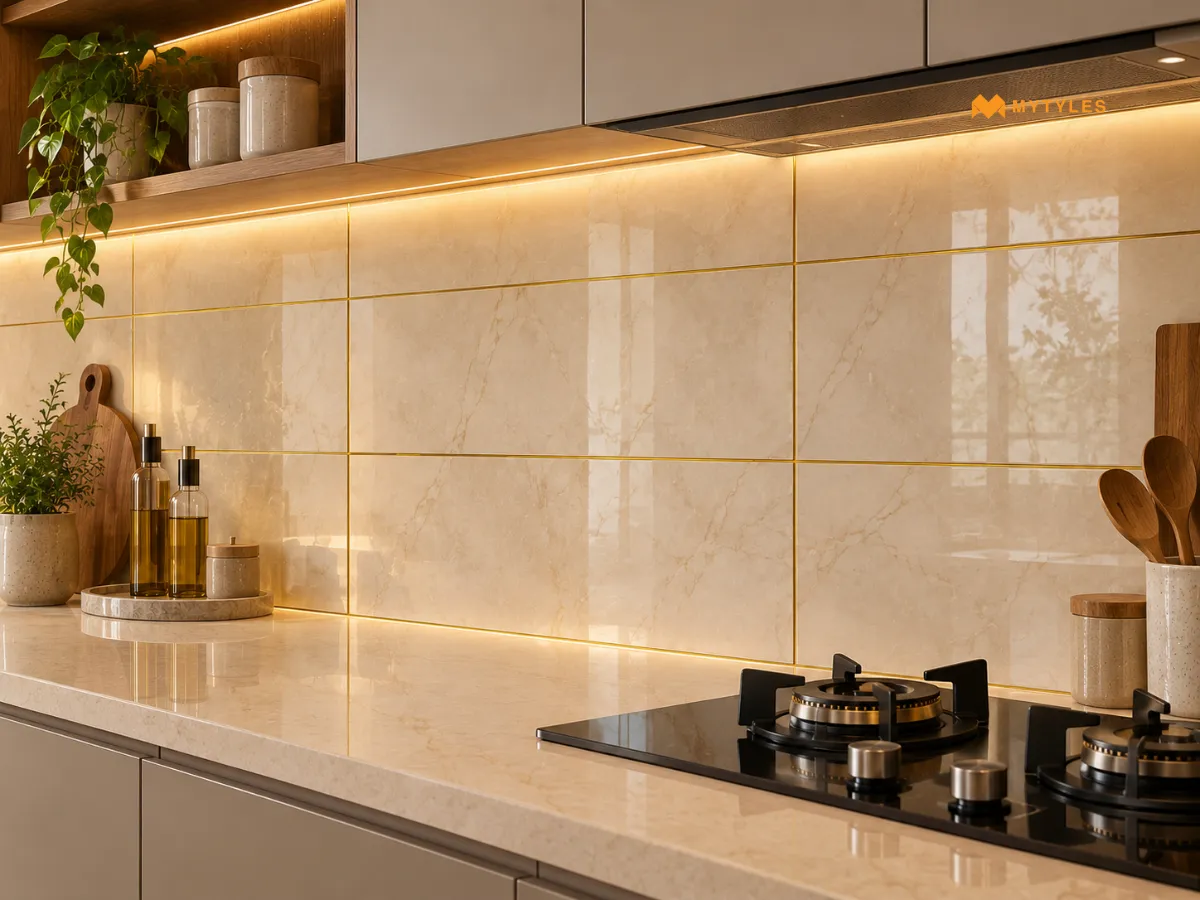
Not every grout choice needs to stay neutral. Some epoxy grout ranges include shades like blue, green, or gold, typically used on simpler tiles or smaller accent areas rather than an entire floor or wall.
A mosaic backsplash, a shower niche, or a narrow feature strip is a common place for this kind of colour to show up. It works best as a deliberate design decision rather than a default pick, since a bold shade draws the eye more than a neutral one would.
Epoxy Grout for Different Rooms
A shade that works beautifully in one room does not always carry over to another. Choosing epoxy grout for tiles based on where it is actually going tends to give a more considered result.
Bathroom and Shower Areas
Lighter shades like white, ivory, or light grey epoxy grout can be considered in bathrooms, especially where a brighter, more minimal look is the intent. A shower niche can also try a bolder grout colour, such as blue or green. Since these areas regularly come into contact with moisture, epoxy for bathroom tiles should be chosen by confirming wet area suitability.
Note: Remember that grout is not a substitute for the waterproofing system behind the tiles.
Kitchen Backsplashes and Floors
Mid-tone shades like grey epoxy grout for kitchen tiles sit visually in between light and very dark grout, offering a level of definition that is neither too subtle nor too bold. Backsplashes work a little differently, since they sit at eye level. A contrasting grout shade can be used here, especially with subway or patterned tiles. For kitchens that want a stronger design moment, gold or green grout can also turn a backsplash into a feature detail.
Living Room and Open Floor Areas
Living rooms and open-plan layouts often go for a continuous floor. Matching grout colour is often picked here, since it sits close to the tile shade and makes individual joints less noticeable. This is commonly paired with large-format tiles.
Balconies and Outdoor-Facing Spaces
Balconies and other outdoor-facing areas are exposed to sun, dust, and changing weather over time, which can shift what colour choices feel appropriate. Neutral or earthy shades such as beige epoxy grout can be chosen here. Suitability for outdoor exposure should still be confirmed with the specific product before use, since not every epoxy grout range is intended for exterior application.
What to Check Before Finalising Your Grout Colour
What looks right in a sample or catalogue image doesn't always translate exactly once installed. So a few checks can help close the gap between your expected tile epoxy colour and the final result.
- Compare an actual grout sample against the tile, rather than relying on a screen or catalogue image
- View the tile and grout colour combination under the room's actual lighting, since colours can shift under different light sources
- Consider the tile pattern and joint width, since wider joints make the grout colour more prominent
- Confirm the shade is available in the specific epoxy grout range being used
- Follow the product's mixing, application, and cleaning requirements according to the manufacturer's instructions
Find the Right Epoxy Grout Colour at MyTyles
Grout may be a small part of a tiling project, but its colour plays a real role in how the final space looks and feels. Whether the goal is a seamless surface or one where the pattern stands out, comparing a physical sample against your chosen tile is always worth doing before deciding. At MyTyles, the collection covers a variety of tiles, epoxy grout colours, and tile accessories suited to different design styles. Visit the MyTyles experience centre or explore the collection online to find the right combination for your space.

What Is Epoxy Grout, And How Is It Different From Regular Grout?

Epoxy grout commonly uses epoxy resin and a hardener, while conventional grout is usually cement-based. Epoxy formulations generally produce a denser and less porous joint, but mixing, application and cleaning requirements can vary by product. Check the manufacturer’s instructions and confirm that the selected grout is suitable for the intended tiled area.
How Do I Choose The Right Epoxy Grout Colour For Tiles?
Start by deciding whether you want the epoxy tile joint to blend with the tile or stand out as part of the design. A grout shade close to the tile colour makes the joints less noticeable, while a contrasting shade defines each tile more clearly. Compare the tile and grout samples together under the room’s actual lighting before deciding.
Which Epoxy Grout Colours Work Well With White Tiles?
White tiles leave room for both subtle and contrasting combinations. White epoxy grout keeps the joints less noticeable, while light grey adds gentle definition. For a stronger graphic effect, epoxy black grout can outline subway, mosaic, hexagonal, or other patterned tiles more clearly. The choice depends mainly on the look you want.
Is Matching Or Contrasting Grout Better For Patterned Tiles?
Neither approach is automatically better. Matching grout colour keeps joint lines quieter and allows the tiled surface to appear more continuous. A contrasting shade makes the shape and arrangement of individual tiles easier to notice. For mosaics, subway tiles, KitKat, or geometric layouts, the grout itself can therefore become part of the overall design.
Which Epoxy Grout Colour Can I Consider For Bathroom Tiles?
When choosing epoxy grout for bathroom tiles, white, ivory, and light grey are common options depending on the tile shade and the amount of contrast you want. Since bathrooms and shower areas are exposed to regular moisture, confirm that the selected grout is suitable for the intended application. Grout should also be used alongside the required waterproofing system, not as a replacement for it.
What Grout Colour Works With Marble-Look Tiles?
Ivory or another shade close to the tile's base colour can complement warm, marble-look tiles without making every joint prominent. Ivory epoxy grout, for example, can be paired with cream, beige, warm white, and marble-look surfaces. The final pairing should account for the tile's veining, undertone, joint width, and room lighting.
Can Epoxy Grout Be Used For Kitchen Tiles?
Epoxy grout for kitchen tiles can be considered when the particular product is recommended for the intended application. For backsplashes, a contrasting shade can make tile shapes and layouts more noticeable, while matching grout creates a quieter appearance. On kitchen floors, colour can also be considered alongside joint width, cleaning requirements, and the grout manufacturer's application guidance.

ABOUT THE AUTHOR
Nandana Priya
I have a strong interest in design and creativity, and I enjoy translating the world of tiles and their trends into engaging reads. Focusing on creating well-researched content that feels meaningful to readers has always been my first priority. I bring a growing understanding of research, design, and digital marketing into my writing, with a focus on clarity, relevance, and thoughtful storytelling.